

A storm is brewing within the United Progressive Party — not loud, but deep, unsettling, and impossible to ignore.
What began as quiet whispers has hardened into something far more serious: a party wrestling with itself.
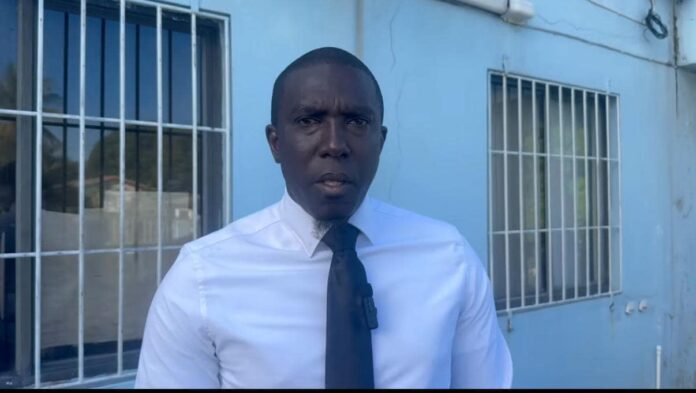
Opposition Leader Jamale Pringle had, by multiple accounts, already made his decision. After internal polling painted a bleak electoral path, he was prepared to step aside — a calculated sacrifice meant to steady a drifting ship.
But the moment fractured.
Ambition collided with hierarchy. Agreement gave way to resistance. And before the party could speak with one voice, the silence broke — leaked, exposed, undone.
Then came the backlash.
From the ground, from supporters, from those who warned that stepping down might cost more than leadership — it might cost survival. And so, just as quickly, the decision reversed.
Pringle stayed.
But something shifted.
Inside the party, doubt lingers like a shadow that refuses to lift. Confidence has thinned. Questions now echo louder than answers — about direction, about leadership, about whether victory is still within reach.
One departure, then another hesitation. Not always spoken publicly, but felt unmistakably.
Because beneath it all lies a harder truth: politics is not sentiment — it is survival.
Now the UPP stands at a crossroads, caught between loyalty and reality, between unity and fracture. What unfolds next may not only shape an election — it may redefine the party itself.
And perhaps, long after the ballots are counted, the real battle will still be within.