
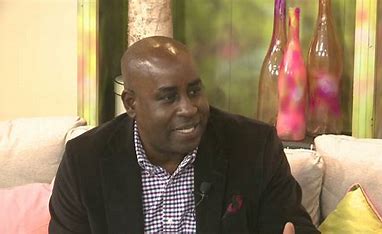

By Garfield Joseph, MBA
In an age of constant noise, instant reactions, and rapid information flow, one of the greatest casualties has been the simple, sacred act of thinking. A.W. Tozer once warned that the decline of deep thought leads inevitably to shallow living. Today, as Antigua and Barbuda navigates social change, digital saturation, and cultural pressure, his words feel more relevant than ever.
We are surrounded by information, yet starved for understanding. We read more, scroll more, and react more, but we observe less, weigh less, and rarely take the time to cogitate. The result is a society rich in data but poor in discernment.
The Power of Observation
Observation is the foundation of all sound thought. It is the ability to see what is actually there, not what we assume, not what we rush past, and not what emotion paints over. Healthy nations, vibrant churches, and resilient families are built on people who observe carefully before they speak, decide, or act.
When we fail to observe, we misdiagnose problems, misread motives, and misinterpret events. But when we observe well, we gather the raw material needed for wisdom.
The Discipline of Cogitation
Cogitation is a word we rarely use, but desperately need. It means slow, deliberate, meditative thinking, turning an idea over until its meaning becomes clear. Antigua and Barbuda’s public discourse would be stronger if more of us practiced cogitation instead of instant commentary.
Tozer believed that cogitation is how truth settles into the soul. It is how ideas mature. It is how leaders avoid shallow conclusions and cultivate depth.
Reading That Leads to Understanding
We live in a reading culture, but not a thinking culture. Tozer argued that reading without reflection is like eating without digesting; it fills you, but it does not nourish you.
For citizens, policymakers, and church leaders alike, reading must be paired with weighing, considering, evaluating, approving, rejecting, correcting, and refining. These are not academic exercises; they are the tools of national maturity.
To Weigh
To compare the importance or truthfulness of ideas.
To Consider
To think carefully about implications and consequences.
To Evaluate
To judge accuracy, relevance, and value.
To Approve
To accept what is true, useful, and aligned with principle.
To Reject
To dismiss what is false, biased, or unhelpful.
To Correct
To adjust ideas so they align with truth and clarity.
To Refine
To improve precision, strength, and expression.
To Join Thought to Thought
To connect ideas logically so they build toward a conclusion.
These disciplines are not only intellectual; they are moral. They shape how we speak, how we vote, how we lead, and how we build community.
Why This Matters for Antigua and Barbuda
Our nation is at a crossroads. We face global competition, digital influence, cultural shifts, and economic pressures. In such a moment, shallow thinking is dangerous. It produces reaction instead of strategy, noise instead of clarity, and division instead of unity.
Whether discussing education reform, housing policy, economic diversification, or social challenges, thoughtful solutions emerge only when we first observe reality carefully and resist the temptation of quick conclusions.
A revival of sound thought, rooted in observation, cogitation, and disciplined reading, can strengthen our national character. It can elevate public debate, enrich our churches, schools, and homes, and help us build a society that is thoughtful, wise, and resilient.
A Call to Thoughtful Citizenship
Antigua and Barbuda does not need more noise; it needs more thinkers. It needs citizens who observe carefully, leaders who cogitate deeply, communities that read reflectively, and people who refuse to be carried by the currents of shallow culture. Instead, they must anchor themselves in truth, wisdom, and disciplined thought.
Tozer’s warning is also an invitation: reclaim the lost art of thinking. Slow down. Observe. Weigh. Consider. Evaluate. Approve. Reject. Correct. Refine. Join thought to thought.
If we do this, individually and collectively, Antigua and Barbuda will not only think better; it will live better.
About the Author
Garfield Joseph is the Executive Director of a public sector organization in Antigua and Barbuda, where he is responsible for translating government policy and national objectives into operational action. His work spans strategic execution, financial oversight, and stakeholder engagement. He has also served as an Adjunct Lecturer at the University of the West Indies Five Islands Campus, teaching Business Strategy and Policy and Business, Government and Society. He writes regularly on investment, entrepreneurship, and long-term decision-making
This article was originally published by Antigua News Room. Read the original article here: Reclaiming the Lost Art of Thinking: Why Antigua and Barbuda Needs a Revival of Observation and Sound Thought.