
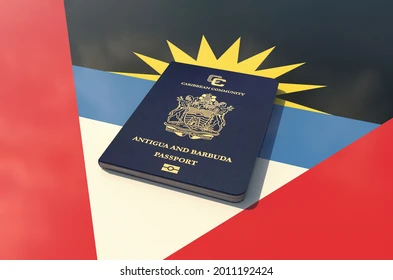

Antigua and Barbuda has retained a score of eight out of 10 for due diligence in the 2026 CBI Index, placing it behind St. Kitts and Nevis, Dominica and Grenada in an assessment of safeguards used to screen citizenship applicants.
St. Kitts and Nevis received the maximum 10 points, while Dominica and Grenada scored nine each. Antigua and Barbuda’s result placed it fourth among the 14 jurisdictions assessed in the category.
The index examines the strength and comprehensiveness of measures used to evaluate prospective citizens and protect the integrity of citizenship-by-investment programmes.
Those safeguards are intended to help governments identify applicants who could pose financial, security or reputational risks.
The report linked the strong performance of Caribbean programmes to several years of improvements in application procedures, including mandatory interviews, external background checks and greater regional coordination.
St. Kitts and Nevis’ leading result reflected the extensive vetting framework developed around its programme, according to the report. Antigua and Barbuda retained its previous score, as did every other jurisdiction in the due diligence category.
The assessment considers both internal and external checks, examining the mechanisms governments use to obtain and verify information supplied by applicants or gathered about them.
Police certificate requirements form part of that assessment, including the number of jurisdictions from which applicants must provide certificates. The index also considers fingerprints, biometric information and other procedures used to verify identity.
A central element is the scrutiny of an applicant’s source of funds.
The report describes that scrutiny as a safeguard against granting citizenship to people whose wealth may come from illicit activity or who could otherwise present concerns about financial integrity.
Its due diligence framework also includes indicators covering mandatory interviews and excluded nationalities.
The score measures safeguards and procedures built into each programme. It does not assess how individual citizenship applications were handled, and the report’s ranking discussion does not identify a specific failing responsible for Antigua and Barbuda scoring below the three leading countries.
The category extends beyond checks on applicants to include protections for qualifying investments.
Under its Investment Protection measure, the index recognises programmes with a legal or regulatory basis for safeguarding investment integrity. That includes mechanisms intended to ensure the price of an approved citizenship-related real estate investment reflects the underlying value of the project, reducing opportunities for practices such as illegal discounting.
Saint Lucia, Malta, Vanuatu and Nauru followed Antigua and Barbuda with seven points each. Austria and São Tomé and Príncipe scored five, while Egypt received four. Cambodia and Türkiye scored three, and Jordan received two.
Although the due diligence scores were unchanged in 2026, the report said the regulatory environment continued to evolve, with international scrutiny placing greater emphasis on robust vetting, information sharing and consistent standards.
Due diligence is one of nine categories in the annual CBI Index, now in its 10th edition. The report treats it as fundamental to programme credibility and governments’ ability to manage the risks associated with granting citizenship through investment.
This article was originally published by Antigua News Room. Read the original article here: Antigua and Barbuda scores eight out of 10 for citizenship background checks.