
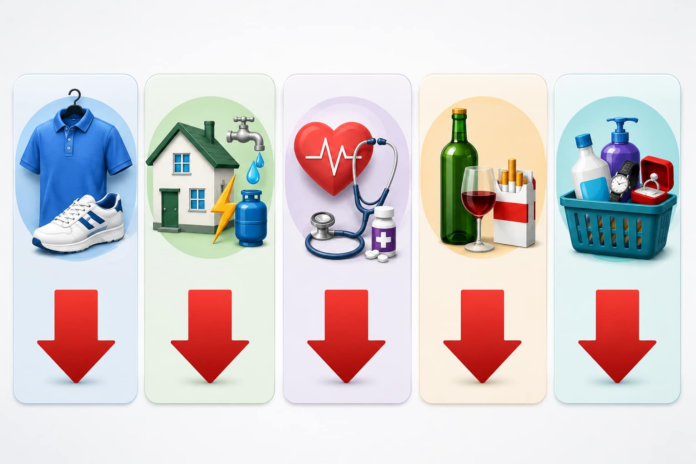

Antigua and Barbuda recorded an annual inflation rate of 3.1% in April 2026, but new data show that price increases were far from universal, with five of the country’s 12 major consumer spending categories actually becoming cheaper over the past year.
The latest Consumer Price Index report released by the National Bureau of Statistics found that while transportation, recreation, education and some food categories pushed overall inflation higher, several major household expenses moved in the opposite direction.
Among the categories posting annual declines was clothing and footwear, which recorded the largest drop at 4.4%. Miscellaneous goods and services also fell by 4.4% over the 12-month period ending in April.
Health-related costs declined by 2.3%, while housing, water, electricity, gas and other fuels fell by 1.3%. Prices for alcoholic beverages, tobacco and narcotics were down marginally by 0.2%.
The decline in housing-related costs was driven in part by lower electricity prices, which fell 1.8% compared with April 2025. Actual rental costs also dropped by 1.4% over the same period.
The findings illustrate a mixed inflation picture in Antigua and Barbuda, where increases in some sectors were substantial enough to outweigh declines elsewhere.
Transportation recorded the largest annual increase among the major spending categories, rising 18.8%. The increase was largely attributed to a 60.3% jump in transport services, driven by higher regional and international airline fares. Recreation and culture costs climbed 30.2%, while education increased 13.3% and restaurants and hotels rose 4.5%.
Food and non-alcoholic beverages, a category closely watched by consumers, increased by 1.2% over the year. However, the broader food category itself recorded a relatively modest increase of 0.3%, reflecting a combination of rising and falling prices across various products.
Several staple food items became less expensive over the year. Fruit prices fell 12.9%, while milk, cheese and eggs declined 6.5%. Meat and meat products dropped 5.2%, helping to keep overall food inflation low despite increases in vegetables and seafood.
The statistics office reported that five of the 12 main expenditure categories registered price decreases, while seven recorded increases. At the sub-group level, 12 categories posted increases, 10 declined and one remained unchanged.
Although inflation remained positive overall, the report suggests that many consumers may have experienced differing cost pressures depending on their spending patterns. Households that spend heavily on travel, recreation and education likely faced significantly higher expenses, while those whose budgets are concentrated on housing, health care and certain food products may have benefited from lower prices in those areas.
The April figures marked an acceleration from the 1.7% annual inflation rate recorded in March and represented the second consecutive month of rising year-on-year inflation.