
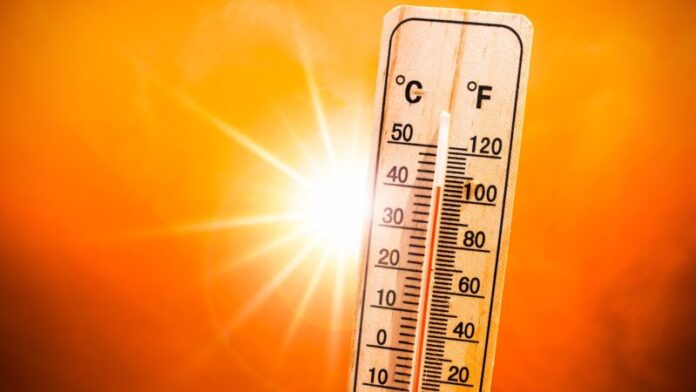

Above average temperatures forecast nearly everywhere for June to August
Antigua and Barbuda could face worsening drought conditions and prolonged periods of humid heat over the next three months as a very strong El Niño threatens to disrupt rainfall patterns across the Caribbean, according to the Caribbean Climate Outlook Forum (CariCOF).
In its latest Caribbean Climate Outlook Newsletter covering October through December, CariCOF warned that the weather phenomenon could intensify existing drought conditions as the region moves through the second half of the Atlantic hurricane season and begins transitioning out of its wet and heat seasons.
The regional climate agency identified Antigua among several Caribbean territories already experiencing short-term drought as of September 1.
Other affected areas include the northwestern Bahamas, central Cuba, Grand Cayman, Grenada, northeastern Puerto Rico, St. Barts, St. Kitts, St. Vincent and Tobago.
CariCOF also warned that severe or worse long-term drought is developing in several territories, including Grand Cayman, western French Guiana, Tobago, St. Barts, St. Kitts and the Windward Islands.
The outlook raises concerns about water availability, agricultural production and other sectors that depend heavily on consistent rainfall.
According to CariCOF, humid heat is expected to reach its peak during October in the Guianas and could persist in the Lesser Antilles, potentially producing heatwaves in some locations.
The agency said the combination of a very strong El Niño and unusually warm waters in the tropical North Atlantic is expected to drive temperatures above normal across the Caribbean.
El Niño develops when trade winds across the tropical Pacific weaken or reverse, allowing warmer surface waters to shift eastward toward the Americas. The phenomenon can significantly influence rainfall, temperature and storm activity across the Caribbean.
CariCOF said El Niño is also associated with unusually irregular and infrequent tropical cyclone activity, along with fewer showers, wet spells and episodes of excessive rainfall.
However, the agency cautioned that the region remains exposed to dangerous weather despite the potential reduction in storm activity.
Flooding, flash floods and other related hazards remain possible, while unusually warm ocean temperatures could also increase the risk of coral reef bleaching.
Dusty Saharan air intrusions, although expected to be infrequent, could further suppress tropical cyclone activity while worsening heat conditions and reducing air quality.
Looking beyond December, CariCOF warned that drought conditions could become increasingly serious as the Caribbean approaches the peak of its dry season.
The January-to-March period is expected to bring a further reduction in rainfall, potentially worsening existing water shortages.
“This year’s very strong El Niño, combined with unusual heat in the tropical North Atlantic, will drive higher than usual air temperatures across the Caribbean,” CariCOF said.
The agency warned that rainfall deficits could continue accumulating through February, with drought conditions potentially expanding and producing wider economic consequences by May 2027.
Although the risk of severe weather may decrease across much of the region during a strong El Niño event, CariCOF said the threat of flooding and flash flooding would remain moderate.
It also cautioned that the current climate pattern could signal an unusually early beginning to the Caribbean’s 2027 heat season.
For Antigua and Barbuda, the outlook places renewed attention on rainfall levels and the possibility of worsening drought as the country approaches the traditionally drier months of the year.
This article was originally published by Antigua News Room. Read the original article here: Antigua Faces Worsening Drought as Strong El Niño Threatens Caribbean With Extreme Heat.