
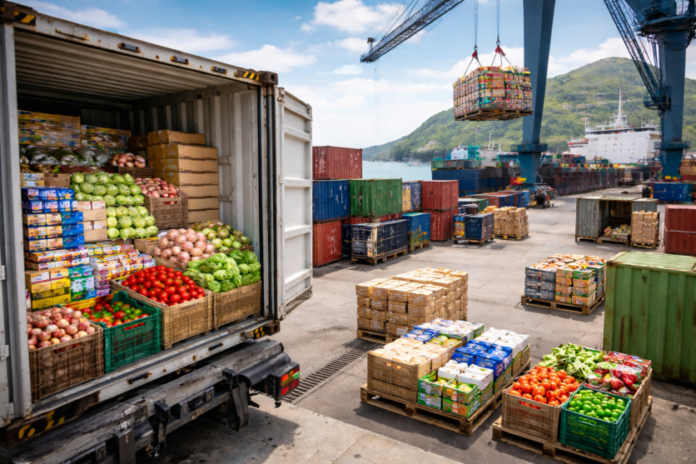

Antigua and Barbuda has warned that trade disputes, tariffs and growing economic fragmentation are increasing the cost of food, transportation and development for small countries caught in conflicts they did not create.
Ambassador Dr. Walton Aubrey Webson, Antigua and Barbuda’s permanent representative to the United Nations, raised the concern Monday during the General Debate of the 81st Session of the UN General Assembly.
“Trade disputes, tariffs and economic fragmentation raise the costs of food, transport and development. Too often, small states pay the price for disputes we did not create,” Webson said.
He called on the world’s major economies to pursue dialogue and cooperation as governments grapple with economic uncertainty and pressures affecting smaller and more vulnerable states.
Webson also argued that greater fairness is needed in the international financial system, particularly in how the vulnerability of small island states is assessed.
“A hurricane does not check GDP before destroying a school. A rising sea does not consult income classifications before entering a home or village,” he said.
Webson pointed to the Multidimensional Vulnerability Index as a mechanism for providing a broader assessment of countries’ structural vulnerabilities than gross domestic product alone.
The ambassador’s comments formed part of Antigua and Barbuda’s wider argument that small island states remain particularly exposed to international economic and environmental shocks despite having little influence over the forces causing them.
This article was originally published by Antigua News Room. Read the original article here: Antigua and Barbuda Says Trade Disputes Driving Up Food and Transport Costs for Small States.