

ILO research warns that the 2026–2027 El Niño could disproportionately affect vulnerable workers and highlights the importance of social protection, social dialogue and anticipatory policies to reduce the impacts.
(ILO News) – The 2026–2027 El Niño phenomenon could negatively affect employment, reduce workers’ incomes and worsen working conditions in Latin America and the Caribbean, with informal, rural and outdoor workers among those likely to be hardest hit, according to new research by the International Labour Organization (ILO).
The ILO policy brief, El Niño 2026–2027 and the world of work in Latin America and the Caribbean: a causal chain from climate to employment and labour institutions, explains how changes in rainfall patterns associated with the phenomenon affect agriculture, fisheries, energy, logistics and other sectors, with potential consequences extending to employment, food insecurity, rising food and energy prices and an increased risk of child labour.
The 2026–2027 El Niño poses a major challenge for employment and decent work in Latin America and the Caribbean.Fabio Bertranou, ILO Deputy Regional Director for Latin America and the Caribbean.
“The 2026–2027 El Niño poses a major challenge for employment and decent work in Latin America and the Caribbean. The scale of its impacts will depend on countries’ ability to anticipate them through strong labour market institutions, social protection systems and social dialogue that protect those who are most vulnerable,” said Fabio Bertranou, ILO Deputy Regional Director for Latin America and the Caribbean.
The study stresses that the impacts of El Niño are not predetermined. While the consequences will vary depending on the subregion, productive sector and institutional capacity of each country, informal workers, rural workers and people working outdoors are among those most exposed to income losses, deteriorating working conditions, and occupational safety and health risks.
The analysis also warns that the effects of El Niño could worsen food insecurity, fuel inflationary pressures through rising food and energy prices, reduce productivity and increase the risk of child labour in the most vulnerable households as livelihoods deteriorate.
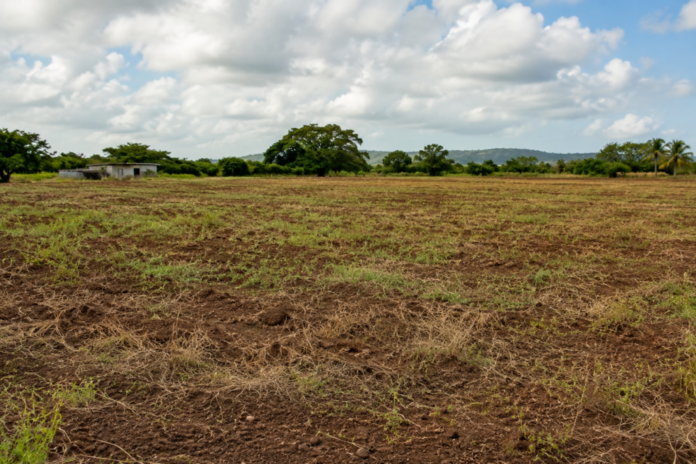
The publication highlights the considerable variation in impacts across Latin America and the Caribbean. The Central American Dry Corridor, the Caribbean and northern South America are expected to face mainly drought, water shortages and heatwaves, while the Pacific coasts of Ecuador and Peru could experience extreme rainfall and flooding. Southeastern South America, meanwhile, could see above-average rainfall and severe storms. These contrasting climate impacts translate into distinct risks for sectors such as agriculture, fisheries, construction, logistics, transport, tourism and energy generation.
The policy brief also notes that the region’s high levels of informality increase vulnerability to climate-related shocks. Nearly half of all workers in Latin America and the Caribbean are employed in the informal economy, where access to social protection and other mechanisms that help people cope with climate-related crises is limited. As a result, the effects on employment and incomes are likely to be concentrated among those with the fewest resources to adapt and recover
Against this backdrop, the ILO underscores that anticipating risks is essential to reducing the labour impacts of the phenomenon. Priority measures include strengthening social protection systems, expanding coverage for vulnerable workers, investing in climate-resilient infrastructure, reinforcing occupational safety and health, developing early warning systems, and promoting social dialogue to agree on responses tailored to national circumstances and the needs of different sectors.
The publication encourages policymakers to view El Niño not only as a meteorological phenomenon but also as a process whose effects can cascade from climate shocks through economies and labour markets to employment outcomes and labour market institutions. Understanding this causal chain, the ILO argues, is essential for anticipating risks and designing policies that protect decent work across Latin America and the Caribbean.
This article was originally published by Antigua News Room. Read the original article here: El Niño threatens jobs and incomes for many workers in the Caribbean, ILO warns.